Finding the Best eSIM for Travel in 2025
Most travelers don’t realize that a single eSIM can store multiple carrier profiles, allowing instant switching between local networks worldwide. The best eSIM for travel works by downloading a digital profile onto your device, eliminating the need for a physical SIM card. This setup provides immediate connectivity upon arrival, often at a fraction of the cost of traditional roaming plans. To use it, simply purchase a plan, scan a QR code, and activate data in your destination within minutes.
How to Choose a Travel eSIM: Key Factors to Consider
When seeking the best eSIM for travel, prioritize network coverage across your specific destinations, not just global claims. Check that the eSIM supports major local carriers where you will be, as some offer cheaper data-only plans. Verify device compatibility by confirming your smartphone is unlocked and eSIM-capable—older models may not support this technology. For cost control, compare data allowances versus price per gigabyte, and ensure the plan includes a hotspot tethering option if needed. Duration is critical; choose a plan that exactly matches your trip’s length to avoid unused credit or unexpected recharges. Finally, read app reviews for ease of activation and customer support responsiveness, as delays can ruin connectivity on arrival. These are the core key factors to consider for a reliable, hassle-free mobile connection abroad.
Why Network Coverage and Speed Matter Most
When picking a travel eSIM, network coverage and speed matter most because they determine if your trip runs smoothly or becomes a frustrating hunt for Wi-Fi. Even the cheapest plan is useless if you can’t load maps or book a ride. You want an eSIM that taps into strong local network partners—like Vodafone or Telstra—not just budget roaming. A fast connection lets you stream navigation, share photos instantly, and video call without buffering. Latency can ruin real-time translation apps, so prioritize providers that offer consistent 4G/5G. Why does network coverage and speed matter most for a travel eSIM? Because without reliable signal, you’re essentially carrying a dead phone, and slow data turns a weekend getaway into a charging-port nightmare.
Comparing Data Plans: Price vs. Value for Tourists
For tourists, the cheapest plan often hides poor value—like throttled speeds after a few gigabytes. Prioritize total data allowance and speed tiers over upfront cost. A $15 plan with 10GB of high-speed data in your specific destinations beats a $10 plan with 5GB that drops to 2G. Consider whether you need constant video streaming or only maps and messaging, as that dictates the real value per gigabyte. A slightly pricier regional plan covering multiple countries can eliminate roaming surprises, making it more valuable than separate local eSIMs.
Easy Activation and App Experience
When hunting for the best eSIM for travel, you want an app that makes your life easier, not harder. Look for providers offering instant activation, usually within seconds of purchase, so you’re connected the moment you land. A clean, intuitive interface lets you check data usage, top up, or switch plans without digging through menus. Avoid apps that require uploading passport scans or lengthy verification—streamlined sign-ups with just an email or QR code are ideal. Smooth onboarding means you spend less time fiddling with settings and more time exploring, making your trip stress-free from the start.

Understanding Data Caps and Fair Usage Policies
When choosing the best eSIM for travel, understanding data caps and fair usage policies prevents nasty surprises. A “10GB” plan often includes a soft cap, meaning after that threshold, speeds throttle to dial-up levels; always confirm this in the fine print. For heavy tasks, seek “truly unlimited” plans, though these still enforce fair usage policies that deprioritize your traffic during network congestion. To avoid bill shock:
- Check the exact high-speed data limit and whether it’s per-day or per-trip.
- Verify the post-cap speed (e.g., 128 kbps for messaging, 1 Mbps for maps).
- Read the fair usage policy for video streaming restrictions or time-of-day throttling.
Top eSIM Providers for Global Roaming
For global travel, top eSIM providers for global roaming must balance coverage, cost, and ease of use. Airalo leads with region-specific and global packages, offering affordable data in over 190 countries without hidden fees. Holafly excels for unlimited data plans, ideal for heavy users needing constant connectivity across Europe and the Americas. Ubigi provides reliable, high-speed networks in Asia-Pacific and Europe, with straightforward top-ups. Nomad eSIM stands out for its competitive pay-as-you-go rates and multi-country bundles.
For spontaneous travelers, Airalo’s instant activation and Holafly’s unlimited data are the most practical picks.
Each provider avoids physical SIM swaps, letting you keep your home number active while roaming seamlessly.
Airalo: Data Bundles for 190+ Countries
Airalo’s primary offering for global roaming is its extensive library of data bundles covering over 190 countries. Instead of universal plans, Airalo provides regional and local eSIM data packages, allowing travelers to purchase a country-specific plan for precise coverage or a broader regional bundle (e.g., Europe, Asia) for multi-destination trips. Each bundle specifies a fixed data allowance (e.g., 1 GB, 3 GB, 5 GB) with a set validity period, typically ranging from 7 to 30 days. Users activate the eSIM upon arrival and manage top-ups through the app. This granularity ensures you pay only for needed data in the relevant region, avoiding overage or unused allowance common with one-size-fits-all global offers.
Holafly: Unlimited Data Plans for Frequent Flyers
For frequent flyers, Holafly’s unlimited data plans eliminate the constant need to monitor usage or hunt for Wi-Fi, offering a seamless connection from landing. This makes them particularly useful for travelers who rely on navigation, streaming, or social media without interruption across multiple short trips. A key strength is the activation simplicity: no physical SIM swap, just an eSIM profile installed pre-departure. Holafly’s unlimited plans cover over 160 destinations, with validity periods ranging from one to 90 days, though voice calls are not included in most packages.
- Unlimited high-speed data with no daily throttling caps on most regional plans
- Instant eSIM delivery via email, installable in under five minutes
- Local number provided only in select countries; data-only eSIM for majority of regions
- 24/7 customer support via live chat for troubleshooting on the go
Ubigi: Affordable Regional and National Packages
Ubigi stands out for its affordable regional and national packages, which allow travelers to select plans covering entire continents or single countries without hidden fees. Users can activate a Japan-specific plan or a Europe-wide data bundle directly through the app, avoiding per-MB charges. Regional packages often include multiple nations under one price, while national plans offer budget-friendly daily or monthly data caps. This flexibility makes Ubigi a practical choice for short trips or multi-destination itineraries.
- Regional packages cover zones like Asia, Europe, or North America with a single plan.
- National packages provide country-specific data at competitive flat rates.
- Plans range from 1 GB to unlimited data, letting users match their usage.
- Top-ups are available mid-trip without changing the primary plan.
Nomad eSIM: Flexible Short-Term Passes
For travelers needing ultra-short connectivity windows, Nomad eSIM excels with passes as brief as one day alongside standard weekly plans. Its data-only passes activate instantly upon arrival, avoiding physical SIM swaps. The provider uniquely allows users to stack multiple regional passes onto a single eSIM profile, enabling seamless coverage across bordering countries without manual reconfiguration. Nomad’s proprietary app offers real-time data usage tracking and a straightforward top-up mechanism for depleted passes. This structure prioritizes budgeting for short trips while eliminating carrier lock-in, making it a precise tool for targeted roaming needs.
| Pass Duration | Typical Data Caps | Regional Coverage |
|---|---|---|
| 1–3 days | 1–5 GB | Single country |
| 7–15 days | 3–10 GB | Multi-country zones |
Region-Specific eSIM Recommendations
The best eSIM for your trip truly hinges on where you’re heading. For a whirlwind tour across Southeast Asia, a regional plan from Airalo or Holafly covers Thailand, Vietnam, and Indonesia on one profile, letting you hop from Bangkok’s street food stalls to Bali’s rice terraces without a second thought about connectivity. Yet, when I landed in Japan, I learned the hard way that a generic Asia plan often blocks crucial local apps like Google Maps navigation; a country-specific eSIM from Ubigi or Mobal saved my trip by ensuring seamless access to train schedules and translation tools. For Europe, a multi-country package like Orange Holiday works wonders, but if you’re doing a deep dive into rural Iceland or the Scottish Highlands, a niche, local provider with partnerships with smaller towers is your only reliable lifeline.
Europe: Best Options for Schengen and Multi-Country Travel
For travel across multiple Schengen countries, the optimal choice is a Europe-wide eSIM for Schengen travel, such as those from Airalo’s “Europe” package or Holafly’s “Europe” plan. These cover 30+ countries on a single, pre-activated profile, eliminating the need to swap eSIMs at each border. A 10–30 GB plan is sufficient for a two-week trip using maps and messaging. Avoid single-country eSIMs if you cross borders frequently, as they require separate purchases and deactivations.
For multi-country Schengen trips, choose a single regional Europe eSIM to ensure seamless connectivity across borders without re-provisioning.
Asia: Reliable Networks in Japan, South Korea, and Thailand
For travelers prioritizing reliable networks in Japan, South Korea, and Thailand, local infrastructure dictates eSIM choice. Japan’s NTT Docomo provides dense urban and subway coverage, while KDDI offers stronger rural Shikoku signals. South Korea’s SK Telecom excels in rapid 5G across Seoul’s transit hubs, but LG U+ can be cheaper for shorter stays. Thailand’s AIS dominates Bangkok, though TrueMove is better for northern hill-tribe connectivity. A single regional plan rarely outperforms a country-specific eSIM, as cross-border roaming often deprioritizes speed.
Q: Which carrier should I choose in Thailand for consistent speeds in both Bangkok and Chiang Mai?
A: AIS provides the most balanced performance—strong in Bangkok’s congestion and reliable in Chiang Mai’s mountainous zones—making it the safest practical default for that country.
United States and Canada: Top Picks for North America
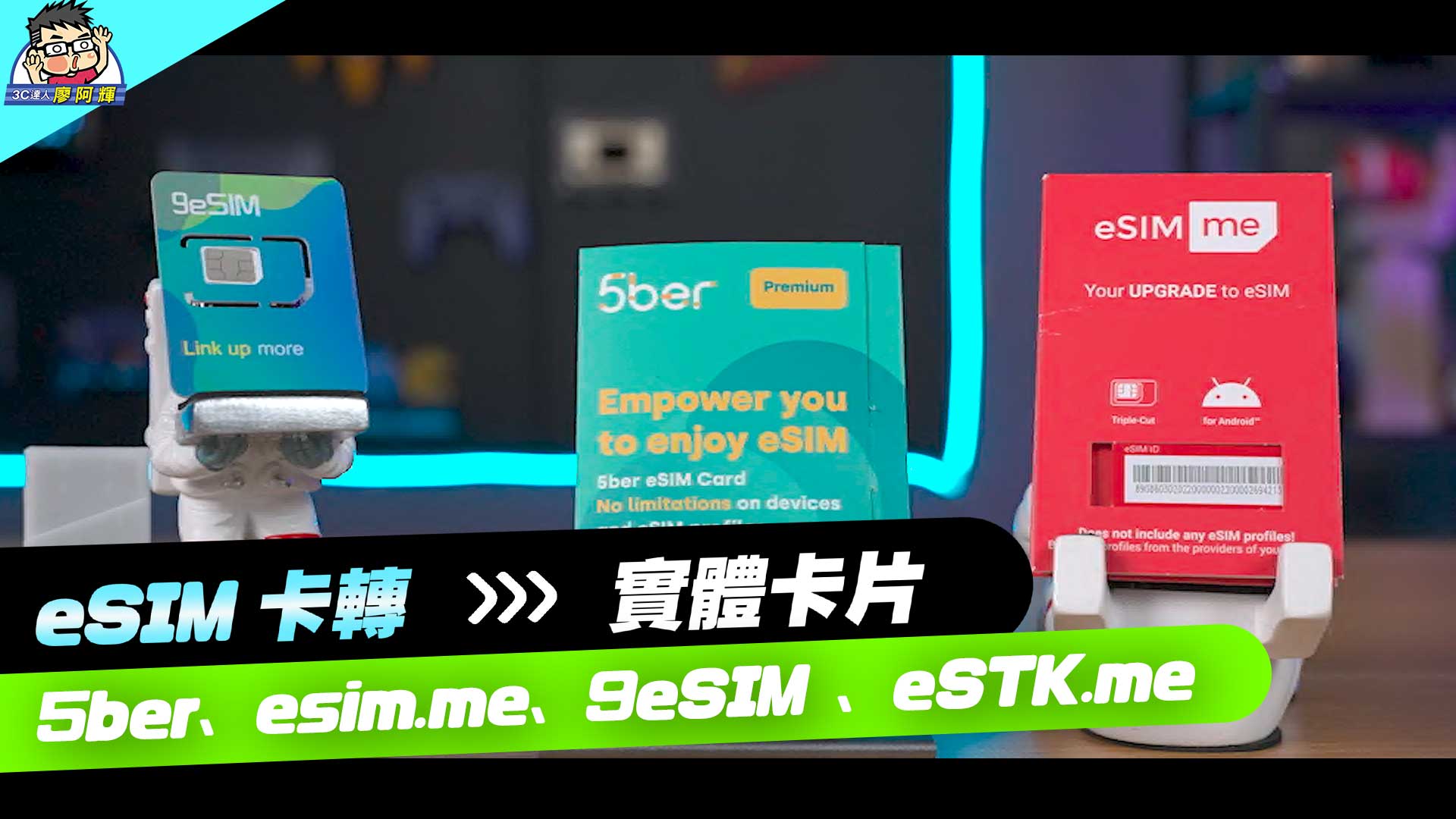
For seamless travel across both countries, North America eSIM coverage from Airalo and Holafly is unmatched. Airalo’s Discover+ plan offers flexible data pools usable from New York to Vancouver, while Holafly provides unlimited data for constant navigation and social media. Both activate instantly and avoid roaming fees. Travelers benefit from reliable LTE/5G connections on major networks like T-Mobile and Rogers, ensuring maps and apps work without hiccups.
Airalo and Holafly deliver the most practical eSIMs for the US and Canada, combining easy activation with solid coverage across both nations.
Australia and New Zealand: Budget-Friendly Data Solutions
For travelers seeking budget-friendly data solutions in Australia and New Zealand, regional eSIM providers like Airalo and Nomad offer targeted plans starting under $10 USD for 1GB, valid for 7 days. Nomad’s AU-NZ combo covers both countries seamlessly, while GoMo World provides unlimited local data in New Zealand for around $20 NZD monthly. Avoid activating high-cost global plans; instead, select these local-optimized eSIMs that tap into networks like Telstra (AU) and Spark (NZ). For longer trips, OzeSIM offers 3GB for $16 AUD over 30 days, prioritizing cost efficiency without sacrificing coverage in major cities or regional hotspots.
Comparing eSIMs for Different Travel Styles
When comparing eSIMs for different travel styles, your itinerary’s rhythm dictates the best choice. For the fast-paced city hopper, global or regional plans from providers like Airalo or Holafly offer instant activation and flat-rate data, eliminating local SIM hunts. However, a slow-traveling digital nomad benefits more from tiered, multi-country plans from Nomad or GigSky, which allow pausing unused days and scaling data as stays lengthen. Backpackers on shoestring budgets should prioritize providers with tiny, top-up-only eSIMs (e.g., DENT) to avoid paying for unused high-speed pools. Luxury travelers, conversely, might choose a premium provider like eSIM Go for guaranteed full-speed roaming and no deprioritization.
The key insight: always match the eSIM’s data-tethering and local-number add-on policies to your specific connectivity needs—a two-week explorer rarely needs a permanent local number, while a six-month remote worker cannot function without one.
Ultimately, evaluate whether your travel style values flexibility, cost-per-MB, or seamless coverage to find your ideal fit.
Light Data User: Minimalist Plans for Checking Maps
For a light data user who primarily needs an eSIM for checking maps, minimalist plans are the most cost-effective choice. Look for packages offering 1GB to 3GB of data valid for 7–15 days, which is ample for turn-by-turn navigation and occasional route refreshes. Avoid unlimited options, as they waste money. A typical workflow includes first downloading offline city regions for major destinations, then reserving a small data allowance for real-time traffic rerouting. Key steps for selecting a plan:
- Confirm map access doesn’t count against your data allowance on your chosen provider.
- Check if the plan covers countries you’ll actually navigate in, not just regional zones.
- Ensure the eSIM activates automatically upon arrival so mapping apps work immediately.
Heavy Streamer and Social Media Enthusiast
For the data-intensive digital nomad, the optimal eSIM prioritizes high-speed, uncapped data over cost-per-gigabyte. A heavy streamer must select a provider offering consistent 4G/5G speeds above 50 Mbps to avoid buffering during 4K video uploads; plans with “unlimited” data but throttled speeds after a small threshold are unsuitable. Conversely, a social media enthusiast requires low latency for real-time live streaming and rapid image uploads, making network stability in crowded venues crucial. A practical comparison for these users focuses on data allowance versus speed guarantees.
| User Need | Critical Feature | Minimum Requirement |
|---|---|---|
| Streaming (4K video) | Unthrottled high-speed data | 30GB+ at full speed |
| Social Media (live video) | Low latency & consistent upload | 5 Mbps stable upload speed |
Business Traveler: Keeping Voice and Data Options Open
For the business traveler, keeping voice and data options open means choosing an eSIM that bundles a local number with high-speed data. This lets you make domestic calls to clients and field urgent texts without juggling multiple lines. Look for plans offering a dedicated local voice number—not just data—so you can forward your office line and avoid high roaming rates. A smart sequence: first activate a data-only eSIM for instant connectivity, then add a voice-only eSIM for your local number, or pick a combo plan that handles both.
- Identify your target region and confirm the eSIM includes a local phone number for voicemails and calls.
- Activate the data portion immediately upon landing for navigation and emails.
- Manually set your phone to prioritize voice over data for that specific line if calls drop.
- Test the outgoing caller ID before your first meeting to ensure it displays your local number.
Group Travel: Managing Multiple Devices and Shared Plans
For group travel, managing connectivity across multiple devices demands a shared data plan rather than individual eSIMs. Pooled data plans allow families or friends to split a single data allowance, avoiding redundant purchases and wasted gigabytes. Each person installs their own eSIM profile under the same account, enabling easy top-ups and centralized tracking via a dashboard. Remember that all devices must stay on the same network for seamless hotspot sharing from a leader’s phone.
- Choose a provider with multi-profile support to assign separate eSIMs to each traveler.
- Opt for plans that offer a shared data pool instead of per-device allowances.
- Ensure the group leader’s device Japan eSIM supports tethering to extend coverage to tablets or laptops.
- Pick a carrier with a single account management interface for quick recharges.
Setup and Activation Tips for a Smooth Trip
For the best eSIM for travel, flawless setup begins before departure. First, install your provider’s app while on Wi-Fi to pre-download the profile. Activate the eSIM only at your destination to avoid triggering the plan early, unless your provider specifies instant activation. On arrival, toggle off your primary physical SIM from your phone’s settings to prevent bill shock, then enable your eSIM line. Ensure data roaming is switched on for that specific line. A quick test—send an iMessage or open a map—confirms connectivity. If signals struggle, manually select a local network from your carrier list; this often locks a stronger band. For multi-country trips, set the eSIM as default for data, leaving your home SIM for calls. These actions guarantee the best eSIM for travel experience is truly seamless.
How to Install an eSIM Before You Leave
To ensure seamless connectivity, install your eSIM before departure using a stable Wi-Fi connection. First, purchase your plan from a reputable provider like Airalo or Holafly, then receive your QR code or manual activation code via email. On your device, navigate to Settings > Cellular/Mobile Data > Add eSIM and scan the QR code. Label the new line (e.g., “Travel eSIM”) and set your primary line for voice/data cautiously. Avoid activating until arrival to prevent premature plan usage.
- Keep your Wi-Fi on during installation to avoid partial downloads
- Disable “Automatic Network Selection” to prevent roaming charges before landfall
- Screenshot the QR code or activation details for offline access during travel
Switching Between Multiple eSIMs on One Phone
For seamless travel, mastering eSIM profile management is key. Most modern phones allow you to store multiple eSIM profiles, but only one can be active for data at a time. Before departure, label each profile clearly (e.g., “Japan Data” or “Home Line”) in your device’s cellular settings. To switch, simply go to Settings > Cellular/Mobile Data, tap the inactive profile, and select “Turn On This Line.” Ensure your primary voice line remains active for calls while toggling data between prepaid travel eSIMs to avoid roaming charges on your home plan.
Switching between multiple eSIMs requires labeling profiles before your trip, then toggling data lines in the phone’s cellular menu while keeping a voice line active.
Troubleshooting Common Connection Errors

When connectivity fails, first toggle Airplane Mode for 15 seconds to force a network re-registration. Verify APN settings are exactly as provided by your eSIM profile—incorrect entries are a prime cause of dropouts. If roaming is enabled but data stalls, manually select a partner network in your device’s carrier list. For persistent connection errors, ensure your phone’s date/time is set to automatic, as mismatched timestamps can block authentication. Q: Why does my eSIM show no service after activation? A: Usually the device fails to update carrier settings; reboot or re-add the eSIM profile. Rarely, dual-SIM conflicts arise if both lines attempt simultaneous data use.
What to Do if Your eSIM Fails at Your Destination
When your eSIM fails at the destination, first toggle airplane mode on and off to force a network re-registration. If that fails, manually select a carrier from the list in your device settings, as automatic selection may be buggy. Next, delete the eSIM profile and re-install it using the original QR code or activation link you saved before the trip. Always save the eSIM activation QR code offline to avoid being stranded without data access.
- Restart your device completely to clear temporary network glitches.
- Switch the eSIM line off and on in your cellular settings.
- Reset network settings (this won’t delete the eSIM profile).
- Contact your eSIM provider via hotel Wi-Fi for a fresh installation link.
Hidden Features and Cost-Saving Strategies
When hunting for the best esim for travel, dig past the headline rates to find hidden features that unlock real savings. Many providers offer a “data rollover” option, letting unused gigabytes carry into your next trip rather than vanishing. Look for dual-profile support, which lets you keep a local second esim active for regional deals while your primary plan handles emergencies. Another trick is using “top-up only” plans—skip large bundles and buy tiny data packs as needed, avoiding waste. Finally, activate “auto-fallback” to cheaper partner networks when your main one slows down, saving you from costly premium-speed add-ons.
Using Wi-Fi Calling to Reduce Data Usage
When traveling with your best esim for travel, enabling Wi-Fi calling is a simple trick to slash data usage. Instead of using mobile data for voice calls, your phone routes them over any available Wi-Fi network, like your hotel’s lobby connection. This means your eSIM’s precious data stays untouched for maps and messaging. Wi-Fi calling significantly reduces data consumption because calls don’t eat into your eSIM plan at all. Just remember to keep airplane mode off so your eSIM data still works for other apps.
- Turn on Wi-Fi calling in your phone’s settings before your trip; it works automatically when connected.
- Use it for long calls home to avoid burning through your eSIM data allowance.
- Check that your eSIM provider supports Wi-Fi calling; most travel eSIMs handle it seamlessly.
- Enable it on both your primary and eSIM line to maximize savings abroad.
Combining Local SIMs with eSIM for Dual Connectivity
For maximizing cost savings while traveling, combining local SIMs with eSIM for dual connectivity is a practical strategy. Insert a cheap local physical SIM for high-speed data in your destination, while keeping your primary eSIM active for voice calls and SMS at home rates. This setup avoids roaming fees on your home carrier and sidesteps expensive eSIM data plans for heavy usage. Most modern dual-SIM phones let you assign voice and data lines separately, ensuring you never lose connectivity while paying only for local data. This dual approach is optimal for extended trips where local prepaid plans drastically undercut travel eSIMs for bulk data.
Referral Codes and Bundle Discounts That Work
For serious savings, always grab a friend’s referral code before buying your first travel eSIM—most providers give you a free top-up or credit instantly. Pair this with bundle discounts that work, like multi-country or regional packs, which slash per-GB costs compared to single-country plans. Stacking a referral bonus onto an existing bundle deal is the real trick; some apps let you apply both at checkout. Just double-check the promo code field isn’t hidden.
Referral codes get you free credit, and regional bundles cut costs—use both together for the cheapest data.
Top-Up Options and Expiration Dates to Watch
When selecting the best eSIM for travel, scrutinize top-up and data validity windows to avoid losing funds. Some providers allow unlimited top-ups with no expiry so long as you add data before the plan ends; others enforce a hard 30-day expiry from the first activation. For short trips, a plan with a fixed expiration matching your duration works best. For frequent travelers, prioritize eSIMs offering rollover data or extended validity (e.g., 12 months) after each top-up. Always check whether a small balance triggers top-up minimums—a hidden cost trap—or if unused data expires instantly upon refunding.
Top-up options vary: seek providers with no expiry on added data or long validity windows to prevent wasted credit, and always confirm whether balances roll over or reset.
Frequently Asked Questions About Travel eSIMs
When searching for the best eSIM for travel, the most frequent question is: Will it work immediately upon landing? Yes, the top providers activate instantly via a QR code scan before you depart, eliminating physical SIM swaps. Users often ask about data speed; premium travel eSIMs connect to primary local networks, offering 4G/5G speeds identical to a native SIM. Another common concern is coverage reliability—the best options partner with multiple carriers in each country to ensure you never lose signal in remote areas. Finally, travelers want to know if they can keep their WhatsApp number; absolutely, since an eSIM does not change your primary number, apps function seamlessly as long as your home SIM remains active for verification.
Will My Phone Work with Any eSIM Provider?
No, your phone will not work with every eSIM provider, as device compatibility is strictly hardware-dependent. For the best eSIM for travel, you must first confirm your phone is unlocked and supports eSIM profiles—most newer flagship models from Apple, Samsung, and Google do, but older budget devices often lack this capability. Q: Will my phone work with any eSIM provider? A: Only if it’s eSIM-compatible and unlocked; carrier-locked or region-specific models may reject third-party networks. For example, a US-purchased iPhone 14 works globally, while a carrier-locked Android likely will not. Always check your device’s IMEI against the provider’s compatibility list before purchasing a plan.
Can I Keep My Home Number While Abroad?
Yes, you can keep your home number active while using the best eSIM for travel by enabling Wi-Fi Calling or your carrier’s Call Forwarding before departure. Your physical SIM remains in the device for SMS and voice, while the travel eSIM handles data. To avoid dual-SIM conflicts, set the eSIM as the default for mobile data and keep your home SIM for calls. This setup ensures you receive verification codes and calls, though data roaming charges from your home carrier may apply if not on Wi-Fi. Keeping your home number abroad requires pre-trip configuration to prevent service interruptions.
You retain your home number by using a dual-SIM setup: home SIM for calls/SMS, travel eSIM for data, with Wi-Fi Calling or forwarding enabled beforehand.
How Secure Are eSIM Services for Data Privacy?
eSIM services are highly secure for data privacy, often surpassing physical SIMs. Your profile is stored on a tamper-proof embedded chip, making it immune to physical theft or cloning. Encryption is applied to all authentication data transmitted between the eSIM and the network. For travel, a reputable provider offers secure remote provisioning, ensuring your personal information is never exposed during activation. Unlike a physical SIM, you cannot lose your eSIM card, eliminating a common privacy risk. Data in transit remains protected by standard network encryption, provided you choose a provider with a clear privacy policy.
What Happens When I Run Out of Data Mid-Trip?
When you run out of data mid-trip with the best eSIM for travel, you can instantly purchase a top-up plan through the provider’s app or website. Most top providers process the new data within minutes, restoring your connection without needing a physical card or a store visit. If you are in a remote area, consider buying a larger initial plan to avoid interruptions.
- Open the eSIM provider’s mobile app or log into their portal.
- Select a data add-on or new plan, matching your remaining trip length.
- Complete payment—activation happens automatically with zero downtime.