Emma hopped onto a commuter train at 7:45 am, pulled out her phone, and launched a game she’d never managed at home—her laptop could barely handle indie titles. In ten seconds the loading bar hit 100 per cent, the graphics looked like a console‑level experience, and the battery was still at 85 per cent. That was her first taste of cloud gaming, and it made it clear that the gap between “I can’t afford a high‑end PC” and “I can play the latest releases” is closing fast.
Why Bandwidth Matters More Than You Think
The biggest technical hurdle for most UK households remains the speed and stability of their internet connection. A 2023 Ofcom report found that 68 per cent of homes could sustain at least 30 Mbps download, the sweet spot for 1080p streaming at 60 fps. Anything below 15 Mbps tends to produce noticeable compression artefacts, especially in fast‑moving shooters.
For gamers in rural areas, the rollout of FTTP (Fibre‑to‑the‑Premises) has been a game‑changer: average latency dropped from 45 ms in 2021 to 22 ms in 2023 on major services. That latency now mirrors a wired console on a local network, meaning competitive titles like “Valorant” or “Rocket League” feel responsive enough for serious play.
Subscription Costs: What You’re Really Paying For
Most cloud platforms use a tiered subscription model. The entry‑level plan typically costs £9.99 per month, gives access to a library of 50‑plus titles, and caps resolution at 720p. The mid‑tier, around £14.99, unlocks 1080p and a larger catalogue (roughly 120 games). The premium tier, £19.99, offers 4K streaming where your connection can handle it, plus the option to purchase new releases at launch.
Compare that to buying a new console (£299 for a base model) plus a game (£59 each), and the subscription can be cheaper after three months of regular play. The catch? If you’re a collector who wants physical discs or wants to own games forever, the model doesn’t suit you.
Device Flexibility and the Rise of “Play Anywhere”
One of the most tangible benefits is the sheer variety of devices that can act as a gaming terminal. A recent survey of 2,000 UK gamers showed that 42 per cent regularly played on a smart TV, 31 per cent on a laptop, and 27 per cent on a handheld device such as a tablet or smartphone. The same data revealed that 15 per cent had tried a dedicated streaming dongle (like a Chromecast Ultra) for the first time in the past year.
This flexibility means families can share a single subscription across the household without juggling multiple consoles. The only limitation is the need for a compatible controller; while many services support Bluetooth gamepads, older phones may still rely on touch controls, which can feel clumsy in certain genres.
How Cloud Gaming Is Tied to the Wider Online Entertainment Landscape
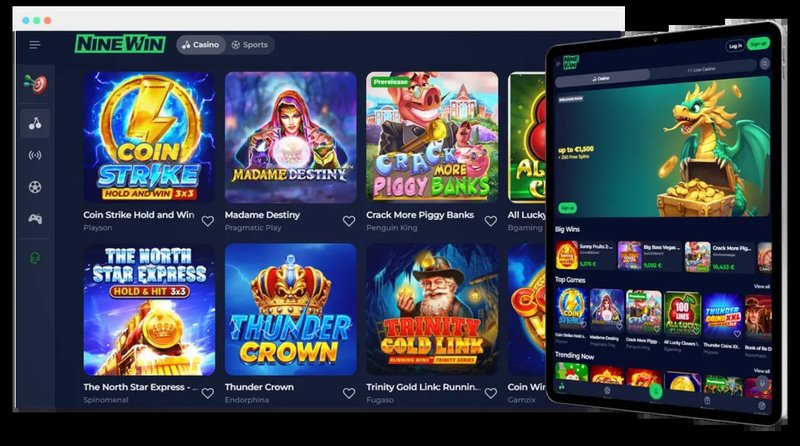
Beyond pure gaming, the infrastructure that powers cloud services also supports live streaming, interactive media and even virtual concerts. That convergence is why platforms often bundle gaming with other digital experiences. For instance, a friend of mine mentioned trying a new slot‑style game while watching a live sports feed, and the seamless switch was made possible by the same streaming backbone that delivers his favourite titles. It reminded me of a recent article on ninewincasino-uk.co.uk that explored how these technologies are reshaping entertainment consumption across the UK.
Environmental Impact: A Double‑Edged Sword
Data centres that host cloud gaming servers consume a lot of electricity, but many operators now source power from renewable mixes. A 2022 study estimated that the carbon footprint per hour of streamed gameplay is roughly 0.03 kg CO₂, compared to 0.07 kg for a typical console run on coal‑heavy grids. However, the benefit only materialises if users switch from a local device to the cloud; otherwise, the extra network traffic can offset the gains.
Looking Ahead: What the Next Five Years Might Hold
Analysts at IDC predict that by 2028, 30 per cent of all gaming revenue in the UK will stem from cloud services. Expect improvements such as adaptive bitrate streaming that dynamically adjusts quality based on real‑time network conditions, and deeper integration with 5G networks, which promise sub‑10 ms latency in urban centres.
For now, the practical advice is simple: test a free trial, check your internet speed with a service like Speedtest.net, and consider whether you value ownership over convenience. If your connection holds steady at 30 Mbps and you’re comfortable with a monthly fee, cloud gaming can give you a console‑class experience without the upfront hardware cost.